
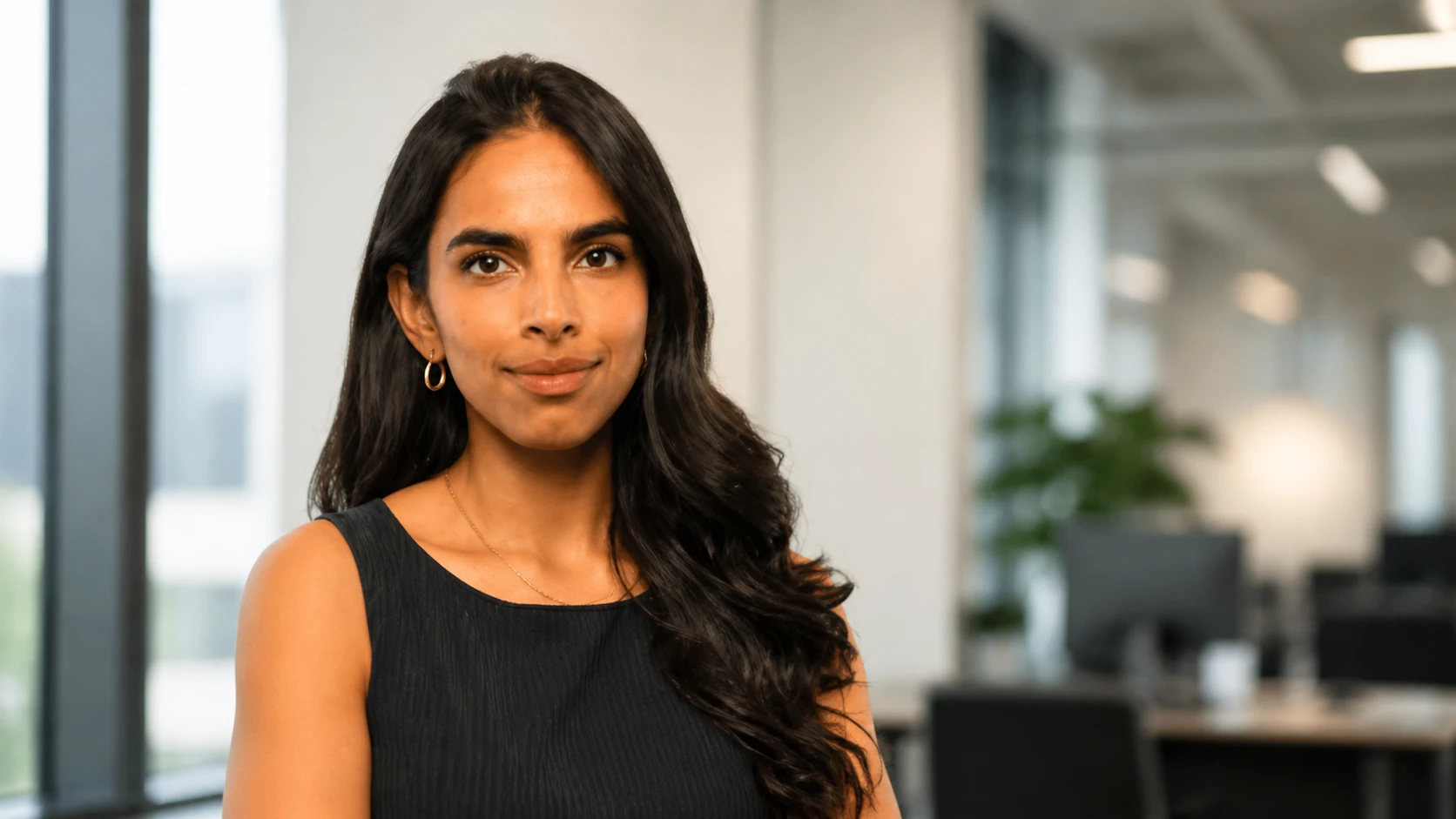
Merlyn Thomas has built a reputation on proof and verification in a world awash with images, videos, and claims that move faster than most audiences can check. Sitting in a newsroom in the United Kingdom, Thomas examines satellite images, tracks social media posts, and analyses videos to ensure that the stories reaching the public are rooted in verifiable fact. Her work with BBC Verify has put her at the forefront of international fact-checking, covering conflicts in the Middle East and Africa, US political misinformation, and other high-stakes events where evidence is contested. Readers searching her name are often drawn not to her personal life, but to the trustworthiness and clarity she brings to volatile reporting situations.
That said, Thomas is one of several professionals sharing her name. Public records also identify a Merlyn Thomas in risk assurance in the UK, a nurse practitioner in Florida, and an obstetrician-gynecologist in Texas. This biography focuses on Merlyn Thomas, the UK-based BBC Verify correspondent, reflecting her public career and verified reporting rather than speculative personal claims.
Early Life and Background
Details of Merlyn Thomas’s early life remain largely private. Publicly, there is no verified information on her exact birthplace, birthdate, or family. What is known is that she pursued higher education with a focus on languages, studying French and Arabic at the university level, which would later support her international reporting. These studies hint at early interests in global affairs and communication, laying groundwork for a career in journalism that engages multiple languages and cultures.
Not many people know this, but her formative influences likely included exposure to international media and an awareness of the complexities of information flow in the modern age. She has mentioned in interviews the importance of context and cultural understanding, especially when reporting across borders. While specifics about her family or upbringing remain private, Thomas’s educational choices suggest a curiosity about the world and a drive to interpret events accurately for a wider audience.
Education and Early Career
Thomas began her journalistic path with student media, contributing to Varsity, the University of Cambridge’s independent student newspaper. Her bylines from 2017 through 2019 reflect a mixture of campus reporting, interviews, and features, including coverage of economic and social issues. One of her notable early stories involved interviewing economist Bina Agarwal on gender and property rights, demonstrating her interest in subjects with social impact. This period was formative in developing a reporting style attentive to detail, verification, and context.
Her first professional steps came through Creative Access, an initiative designed to bring talented individuals from underrepresented backgrounds into media careers. She began in radio before moving into digital reporting and climate disinformation work. That transition exposed her to emerging challenges in journalism, particularly how misinformation and manipulated media can shape public perception before facts are verified.
Breakthrough at BBC Verify
Thomas joined BBC Verify, a unit launched in May 2023, designed to make the verification process visible and credible for audiences. Initially staffed with approximately 60 journalists, BBC Verify was created to track the authenticity of news, including video, images, and digital claims across international and domestic events. Thomas quickly distinguished herself with meticulous reporting, combining traditional journalistic skills with emerging verification techniques.
Her promotion to BBC Verify Correspondent six months ago was publicly noted via LinkedIn, with Thomas emphasizing her commitment to OSINT-driven investigations and global coverage. Colleagues described her as hardworking and dedicated, reflecting a professional ethos centered on careful evidence analysis rather than sensationalism. That role positioned her at the forefront of verification journalism at a time when audiences increasingly demand transparency in reporting methods.
Major Reporting and Investigations
Thomas’s reporting portfolio spans multiple continents and high-impact events. In January 2026, she co-published an investigation with BBC Persian into videos from a Tehran mortuary showing casualties from government crackdowns on protesters. The team, which included Shayan Sardarizadeh and Ghoncheh Habibiazad, applied careful verification methods, cross-referencing videos, social media traces, and satellite imagery. The reporting offered audiences insight into the human toll while clearly explaining what could be confirmed, demonstrating the ethical restraint characteristic of her work.
In November 2025, she co-led an investigation into alleged mass killings in Sudan by the Rapid Support Forces in el-Fasher. Collaborating with journalists Matt Murphy, Peter Mwai, and Richard Irvine-Brown, the team analyzed dozens of videos and tracked movements of armed groups across social media. The result was a layered, evidence-led narrative that combined imagery, digital verification, and firsthand reporting to establish credible findings in a highly complex conflict zone.
Her work in Lebanon illustrates a more personal application of verification. A satellite image revealed the destruction of a family home in southern Lebanon, part of a series of demolitions affecting multiple villages. Thomas and co-reporter Emma Pengelly followed up with affected families, documenting the human consequences of structural destruction while carefully verifying the timing and cause through independent imagery analysis.
Beyond conflict zones, Thomas has contributed to political and social fact-checking. She co-reported with Mike Wendling on the 2024 US election, including debunking baseless claims about Haitian immigrants and false assertions surrounding Kamala Harris. These stories highlight her ability to shift seamlessly between international crises and domestic misinformation, applying the same verification principles across different contexts.
Methodology and Professional Approach
Verification journalism is inherently methodical, and Thomas’s work reflects a disciplined, multi-step approach. Her investigations often begin with digital material—videos, images, or social media posts—that requires meticulous scrutiny. She applies OSINT techniques such as reverse image searches, geolocation using visual markers, analysis of lighting and shadows, and satellite imagery interpretation. These steps allow her to establish the authenticity and provenance of material before drawing conclusions.
A defining feature of her approach is transparency about uncertainty. In interviews, Thomas has explained that it is crucial to communicate what can be confidently verified and what remains unconfirmed. This ethos ensures that audiences understand both the evidence and its limitations, building trust without overstating conclusions. She also considers the real-world harm and virality of misinformation when deciding which stories to pursue, a strategy that balances public interest with ethical responsibility.
Recognition and Professional Standing
Thomas has received recognition for her reporting and professional promise. The John Schofield Trust cited her in 2023 as a Rising Star nominee within BBC News, highlighting her early contributions to climate and disinformation reporting. She also served as a Senior Fellow in an undergraduate journalism mentoring scheme, indicating her involvement in developing emerging journalistic talent. While these acknowledgments focus on her professional capabilities rather than celebrity status, they reflect a respected standing among peers.
Colleagues and editors frequently emphasize her work ethic and attention to evidence. Public posts on LinkedIn praising her promotion to BBC Verify Correspondent describe her as talented, meticulous, and collaborative. These observations reinforce the perception that her impact is measured by the quality and credibility of her reporting rather than by personal publicity or media profile.
Public Profile and Privacy
Though her professional achievements are well documented, Thomas’s private life remains largely outside the public record. Details such as her age, marital status, or family background are not reliably confirmed, and there is no credible source substantiating personal claims circulated in some online biographies. The focus on her work rather than personal details ensures that her profile reflects her public contributions rather than speculation.
It is also essential to differentiate Thomas from other professionals who share her name. There are individuals named Merlyn Thomas working in risk assurance in the UK, as a nurse practitioner in Florida, and as an obstetrician-gynecologist in Texas. Each is distinct, and conflating their biographies with that of the BBC journalist would be inaccurate.
Career Context and Industry Impact
Thomas’s work highlights the evolving nature of journalism in a digital age. Fact-checking, open-source intelligence, and verification methods have become central to the credibility of reporting in conflicts and elections. BBC Verify, the unit to which she belongs, is designed to provide transparency, allowing audiences to see the evidence trail that underpins news stories. Thomas’s reporting has contributed to setting a professional benchmark for how information can be confirmed and communicated responsibly.
She has also influenced media literacy by explaining her methods publicly. Audiences are increasingly exposed to manipulated content, deepfakes, and misleading claims. By demonstrating verification techniques and describing her process, Thomas not only reports the news but educates readers on how to interpret visual and digital information critically.
Current Work and Focus
As of 2026, Thomas continues as a BBC Verify Correspondent. Her recent projects involve monitoring conflicts, investigating misinformation, and providing real-time verification in high-stakes situations. She remains engaged in international reporting, with ongoing contributions to stories from the Middle East, Africa, and the United States. Thomas also maintains public professional communication channels for audiences to submit tips or material for verification, underscoring her interactive approach to journalism.
Her focus on evidence-led reporting places her among the journalists who are shaping public understanding in an era of fast-moving digital information. By combining traditional journalistic skills with technical verification methods, Thomas exemplifies the kind of reporting necessary to navigate complex modern media landscapes.
Conclusion
Merlyn Thomas’s career illustrates the intersection of evidence, ethics, and communication. She has carved out a space where proof matters as much as narrative, and where transparency builds trust more than rhetoric. Her work across BBC Verify demonstrates how journalists can bring clarity to situations often clouded by misinformation or incomplete information.
Her public record emphasizes professionalism, integrity, and methodical rigor. While personal details remain private, her reporting speaks for itself, establishing a reputation rooted in verification and factual accuracy. Thomas’s approach reinforces the importance of accountability, patience, and attention to detail in journalism, serving as a model for emerging reporters in a digital age.
For readers and audiences, Thomas represents the kind of journalist who does not seek the spotlight for its own sake but earns attention through careful, evidence-based reporting. In a world where claims can spread before they can be checked, her work reminds the public why verification and transparency are essential.
Frequently Asked Questions
Who is Merlyn Thomas?
Merlyn Thomas is a UK-based journalist and BBC Verify correspondent specializing in verification, fact-checking, and open-source investigation. She reports on international conflicts, misinformation, and high-impact events where evidence is contested. Her professional profile is distinct from other public figures sharing the same name.
What does she do at BBC Verify?
At BBC Verify, Thomas investigates videos, images, and social media claims to confirm their accuracy. She applies OSINT methods including satellite imagery analysis, geolocation, and reverse image verification. Her work spans conflict zones, election coverage, and reports on digital misinformation.
What education and early experience shaped her career?
Thomas studied French and Arabic at university and contributed to Varsity, the University of Cambridge student newspaper. She began her career through Creative Access, initially working in radio and climate disinformation. Early reporting honed her skills in evidence gathering, verification, and international reporting.
Is her personal life publicly known?
Reliable sources do not confirm details about Thomas’s age, marital status, or family background. Most publicly available information focuses on her career and verified reporting. Claims circulating online about her private life should be treated cautiously.
What are some notable stories she has reported?
Thomas co-reported investigations into Tehran mortuary videos in January 2026, RSF killings in Sudan in November 2025, Israeli demolitions in southern Lebanon, and misinformation surrounding the 2024 US elections. Her work often combines human impact with digital verification of evidence.
How does she approach verification?
Thomas’s methodology includes analyzing imagery, videos, and social posts with a focus on accuracy and transparency. She weighs potential real-world harm and the spread of misinformation when deciding which stories to pursue. She emphasizes clearly communicating what evidence supports and what remains uncertain.
Is she involved in journalism mentorship or recognition programs?
She was nominated for Rising Star in the BBC News awards and served as a Senior Fellow in an undergraduate mentoring scheme. These roles reflect her contributions to journalism and support for emerging reporters in verification and investigative practices.