
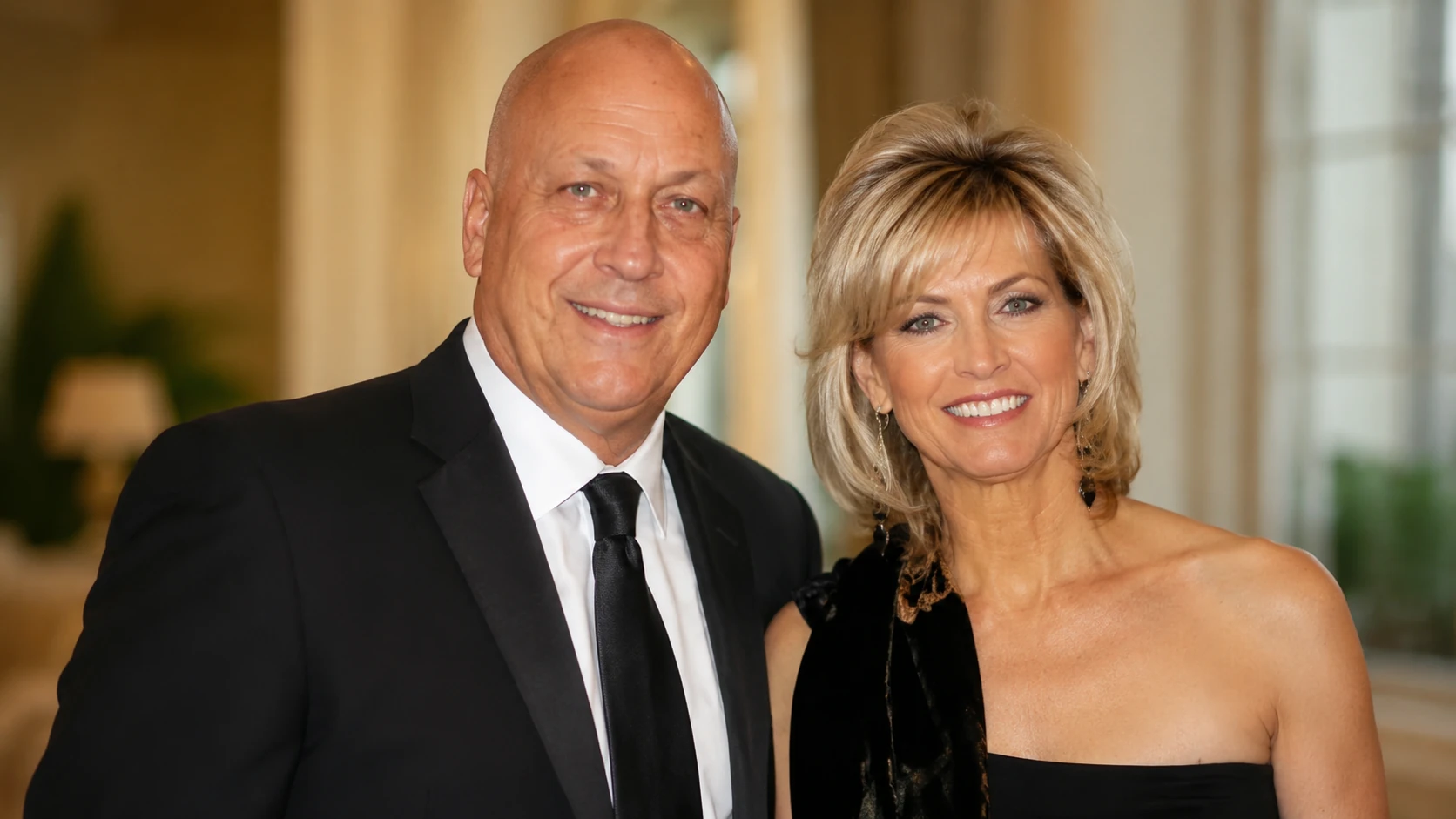
For many Americans, the name Kelly Ripken first became familiar during baseball’s most celebrated modern era. She stood beside Cal Ripken Jr. as he built one of the most respected careers in Major League Baseball history, appearing in family photographs, charity events, and Baltimore public life while remaining noticeably more private than many spouses connected to sports fame. Yet over time, Kelly Ripken developed a public identity that reached far beyond baseball. Through health advocacy, philanthropy, and years of work connected to Johns Hopkins Medicine, she became known for something more lasting than celebrity visibility.
That distinction matters because public curiosity about Kelly Ripken has often focused on only one chapter of her life: her marriage and later divorce from Cal Ripken Jr. But the fuller story is more interesting than tabloid framing suggests. Kelly’s life includes decades of charitable work, personal health struggles that led to patient advocacy, and a long-standing connection to Maryland civic life. She has also managed something increasingly rare in the digital era — maintaining privacy while remaining connected to causes that continue to affect thousands of people.
The result is a public figure who has never entirely disappeared from view, even if she has avoided the attention economy that surrounds many sports-adjacent personalities. Readers still search for Kelly Ripken because they want to understand what became of the woman who spent nearly three decades beside one of baseball’s most recognizable players. The answer is less dramatic and more grounded than many expect.
Early Life and Family Background
Kelly Ripken was born Kelly Geer and grew up in Maryland, the state that would shape nearly every major chapter of her adult life. Publicly available biographies connected to Major League Baseball identify her hometown as Cockeysville, Maryland, a suburban community north of Baltimore. She attended Dulaney High School before later studying at the University of Maryland.
Unlike celebrities who emerge from entertainment or political dynasties, Kelly’s background was comparatively ordinary. That normalcy became part of her public image later because she entered a sports family without seeming consumed by fame or publicity. Friends and longtime Baltimore observers have often described her as reserved, community-oriented, and more comfortable in charitable or educational settings than in celebrity culture.
Her Maryland roots mattered because the Ripken family itself was deeply tied to Baltimore baseball history. Cal Ripken Sr. coached and managed within the Orioles organization, while Cal Ripken Jr. and Billy Ripken both became professional players. Kelly entered a world where baseball was not just a profession but part of a regional identity.
That atmosphere also meant public visibility came earlier than many people realize. By the late 1980s, Cal Ripken Jr. was already becoming one of baseball’s defining stars, and anyone connected to him inevitably became part of a growing national spotlight.
Marriage to Cal Ripken Jr.
Kelly Geer married Cal Ripken Jr. on November 13, 1987, during a period when his career was accelerating into baseball history. At the time, Ripken was already an American League MVP and one of the Orioles’ most important players, but the defining years of his national fame were still ahead. Their marriage unfolded alongside his famous consecutive-games streak, a record that turned him into a symbol of reliability and endurance.
The timing mattered because the Ripkens quickly became one of sports’ most recognizable families. Baseball in the late 1980s and 1990s still carried a strong family-centered public image, and the Ripkens fit neatly into that tradition. Kelly appeared at milestone events, public celebrations, and charitable gatherings connected to the Orioles and the Baltimore community.
As Cal’s reputation grew, so did public interest in his home life. The streak itself became bigger than baseball, especially after he surpassed Lou Gehrig’s consecutive-games record in September 1995. Television cameras repeatedly focused on Kelly and the family during those emotional moments, reinforcing the image of stability that surrounded the Ripken name.
But here’s the thing. Public admiration can sometimes flatten people into symbols. Kelly Ripken was often portrayed simply as “Cal Ripken’s wife,” even though her later work in health advocacy and philanthropy showed she had broader interests and commitments independent of baseball fame.
Raising a Family in the Public Eye
Kelly and Cal Ripken had two children together, Rachel Marie Ripken and Ryan Calvin Ripken. Rachel was born in 1989, while Ryan arrived in 1993 during the height of his father’s playing career. Their upbringing unfolded under unusual circumstances because Cal Ripken Jr.’s baseball schedule was famously relentless, tied to the streak that defined his career.
Despite that pressure, the Ripkens publicly emphasized family stability and routine. Baltimore-area coverage over the years often portrayed them as deeply connected to local schools, charities, and community institutions rather than isolated celebrity figures. Kelly, in particular, appeared committed to giving the children as normal a childhood as possible despite their father’s fame.
Ryan Ripken later pursued baseball himself, extending the family’s athletic connection into another generation. His career never carried the impossible expectations attached to his father’s legacy, but his path through professional baseball kept the Ripken name active within the sport. Rachel, by contrast, maintained a far lower public profile and stayed largely outside sports media attention.
What’s surprising is how carefully Kelly protected family privacy despite enormous public curiosity. Even during the peak of Cal Ripken Jr.’s celebrity, the family avoided many of the publicity tactics that became common among sports figures later. That approach would continue after the marriage ended.
Health Struggles and Thyroid Disease Advocacy
One of the most important turning points in Kelly Ripken’s public life came through her own health challenges. She was diagnosed with Graves’ disease, an autoimmune disorder affecting the thyroid, after years of symptoms and medical confusion. According to Johns Hopkins Medicine reporting, Kelly struggled through multiple consultations and treatments before finally receiving the correct diagnosis through blood testing.
That experience changed the direction of her public work. Rather than keeping the illness entirely private, Kelly became involved in patient education and thyroid awareness efforts. She spoke openly about how frustrating and exhausting the diagnostic process had been, especially because thyroid disorders can mimic many other conditions and are frequently misunderstood.
The truth is, her advocacy resonated because it came from lived experience rather than celebrity branding. Kelly was not positioning herself as a medical authority. Instead, she used her visibility to encourage patients to seek answers, ask questions, and better understand symptoms that often go ignored or misdiagnosed.
Her experience eventually helped inspire the Kelly G. Ripken Program at Johns Hopkins, a patient-centered thyroid initiative created to improve education and support for people dealing with thyroid disease. The program reflected a larger shift in medicine during the 1990s and early 2000s toward patient education and long-term disease management rather than treatment alone.
Work With Johns Hopkins Medicine
Kelly Ripken’s association with Johns Hopkins Medicine became one of the defining public aspects of her later life. She emerged as a visible supporter of women’s health education through “A Woman’s Journey,” a Johns Hopkins program focused on helping women better understand medical issues affecting themselves and their families.
The program brought together physicians, specialists, survivors, and advocates to discuss subjects ranging from cancer and heart disease to mental health, aging, menopause, and preventive care. Kelly eventually served as national chair, helping guide conferences and educational outreach tied to the initiative.
That role gave her a public identity separate from baseball. She became associated with thoughtful, community-centered health education rather than celebrity appearances. People who attended A Woman’s Journey events often described the atmosphere as practical and conversational rather than promotional, and Kelly’s presence fit that tone.
Not many people know this, but women’s health advocacy became one of the central themes of Kelly Ripken’s adult public life. While many former sports spouses disappear entirely from public attention after divorce or retirement, Kelly remained visible through nonprofit and educational work tied to healthcare access and awareness.
The Kelly and Cal Ripken Jr. Foundation
Kelly also played a role in charitable efforts connected to The Kelly and Cal Ripken Jr. Foundation. The organization supported educational initiatives, youth programs, and community outreach efforts connected to Maryland and beyond. Literacy programs, youth engagement, and support for underserved communities became recurring themes in the foundation’s work.
Although Cal Ripken Jr.’s baseball fame naturally attracted much of the attention, Kelly’s involvement reflected her long-standing interest in practical community support rather than high-profile celebrity philanthropy. Many of the foundation’s efforts focused on long-term impact instead of one-time publicity events.
Baltimore-area charitable culture has historically relied heavily on recognizable local names to attract support for civic projects, hospitals, and educational programs. The Ripkens became deeply embedded in that tradition. Kelly’s participation in those efforts reinforced her image as someone more interested in sustained involvement than media attention.
That said, public records generally place her in a collaborative role rather than presenting her as a solo business executive or corporate figure. Her public reputation has remained tied more closely to advocacy and philanthropy than to entrepreneurship.
Divorce and Public Attention
In April 2016, Kelly and Cal Ripken Jr. finalized their divorce after nearly twenty-nine years of marriage. News of the split attracted widespread media attention because the Ripkens had long been viewed as one of sports’ most stable couples. Court records connected to the divorce were sealed, and neither party publicly disclosed detailed reasons for the separation.
The lack of public explanation fueled years of speculation online. Rumors circulated widely across blogs and sports gossip sites, but very little was confirmed through reliable reporting. Kelly largely avoided responding publicly to speculation, maintaining the same private posture that had characterized much of her adult life.
Her attorney requested privacy for Kelly and the family, emphasizing that the matter was personal rather than performative. That request stood in sharp contrast to celebrity divorces built around interviews, accusations, and competing public narratives. The Ripkens chose silence instead.
Here’s where it gets interesting. The divorce did not lead Kelly into media reinvention or reality television visibility, which often happens when people connected to major sports figures separate publicly. Instead, she appeared to narrow her focus toward health education, philanthropy, and private life.
Public Image After the Divorce
After the divorce, public curiosity about Kelly Ripken intensified briefly before gradually settling into quieter interest. Many online searches centered on questions about her personal life, remarriage rumors, or financial settlement details. Yet very little verified information emerged because Kelly continued avoiding extensive public interviews.
That privacy has shaped her public image in unusual ways. In an era where many public figures constantly update audiences through social media, podcasts, or memoirs, Kelly Ripken has largely declined to turn her private life into content. As a result, people searching for her often encounter rumor-heavy websites repeating unverified claims.
Reliable information about her current day-to-day life remains limited. Publicly available records continue connecting her to Johns Hopkins women’s health efforts and philanthropic activities, but she has not sought a new celebrity identity. That restraint has likely preserved a level of dignity often lost in high-profile sports divorces.
Meanwhile, Cal Ripken Jr. eventually remarried, marrying Anne Arundel County judge Laura Kiessling in 2018. Kelly herself has not publicly confirmed another marriage or highly public relationship since the divorce.
Estimated Net Worth and Financial Questions
One of the most searched subjects connected to Kelly Ripken involves money, particularly her estimated net worth following the divorce. The reality is more complicated than celebrity websites often suggest. Because the divorce proceedings were sealed, no verified public record details the financial settlement between Kelly and Cal Ripken Jr.
Many online estimates place Kelly Ripken’s wealth in the multimillion-dollar range, though those figures should be treated cautiously. Most celebrity net worth sites rely on assumptions tied to divorce settlements, property holdings, and public associations with wealthy spouses rather than independently confirmed financial disclosures.
Cal Ripken Jr. himself accumulated substantial wealth through baseball contracts, endorsements, speaking engagements, licensing deals, and later business ventures connected to youth sports and baseball development. It is reasonable to assume Kelly benefited financially from decades within that partnership, but exact numbers remain speculative.
The truth is, Kelly Ripken has never built a public identity around luxury branding, entertainment deals, or commercial self-promotion. Unlike many celebrity figures whose wealth becomes central to their image, her public work has remained connected to philanthropy and health education.
Kelly Ripken’s Relationship With Baltimore
Few people associated with Baltimore sports remain as culturally linked to the city as the Ripken family. Kelly Ripken’s public life unfolded almost entirely within that environment. From Orioles-era visibility to Johns Hopkins events and charitable work, Baltimore remained the backdrop for her adult identity.
The city’s affection for Cal Ripken Jr. naturally extended to the family during the height of his career. Camden Yards in the 1990s was not just a baseball venue but a symbol of Baltimore pride during a difficult economic and political period for the city. The Ripkens became part of that civic mythology.
Kelly’s later healthcare advocacy also reflected Baltimore’s strong institutional medical culture. Johns Hopkins remains one of the world’s best-known medical systems, and her association with women’s health initiatives there connected her to a broader network of patient education and nonprofit leadership in the region.
Even after the divorce, Kelly’s public story stayed closely tied to Maryland rather than shifting toward Hollywood-style celebrity culture. That regional identity still shapes how many longtime Orioles fans remember her.
Where Kelly Ripken Is Now
Kelly Ripken continues to maintain a relatively low-profile public life compared to many people connected to major sports fame. Public information still links her to women’s health initiatives and charitable efforts associated with Johns Hopkins Medicine. Beyond those appearances, she has largely stayed outside constant media coverage.
That absence from celebrity culture appears intentional rather than accidental. Kelly has never positioned herself as an influencer, commentator, or entertainment figure. Instead, her public appearances have usually centered on causes rather than personal branding.
People searching for dramatic reinvention stories may find her quieter path surprising. But there is something revealing about the consistency of her choices. For decades, she has appeared more interested in service-oriented work, family privacy, and local community involvement than in extending fame for its own sake.
At the same time, public curiosity about her remains strong because the Ripken name still carries emotional weight for baseball fans. Cal Ripken Jr.’s legacy continues to hold a special place in sports history, and people naturally remain interested in the lives connected to that story.
Frequently Asked Questions
Who is Kelly Ripken?
Kelly Ripken is an American philanthropist and health advocate best known as the former wife of Baseball Hall of Famer Cal Ripken Jr. She became publicly recognized during the height of his Orioles career but later developed her own public identity through women’s health and thyroid disease advocacy connected to Johns Hopkins Medicine.
Was Kelly Ripken married to Cal Ripken Jr.?
Yes, Kelly Geer married Cal Ripken Jr. on November 13, 1987. Their marriage lasted nearly twenty-nine years before ending in divorce in April 2016. The divorce proceedings were sealed, and neither party publicly discussed detailed reasons for the separation.
Does Kelly Ripken have children?
Kelly Ripken and Cal Ripken Jr. have two children together, Rachel Marie Ripken and Ryan Calvin Ripken. Ryan later pursued a professional baseball career, continuing the family’s long connection to the sport.
What illness did Kelly Ripken have?
Kelly Ripken publicly discussed her experience with Graves’ disease, an autoimmune thyroid condition. Her long path toward diagnosis inspired her later involvement in thyroid education and patient advocacy work connected to Johns Hopkins Medicine.
What is the Kelly G. Ripken Program?
The Kelly G. Ripken Program was developed through Johns Hopkins to support thyroid disease education and patient care. The initiative focused on helping people better understand thyroid disorders and improving access to medical information and support.
Is Kelly Ripken remarried?
As of publicly available reporting, Kelly Ripken has not confirmed a remarriage since her divorce from Cal Ripken Jr. She has kept her private life largely out of the public eye, so verified information about her personal relationships remains limited.
What is Kelly Ripken’s net worth?
Kelly Ripken’s exact net worth has not been publicly confirmed. Online estimates vary widely, largely because the details of her divorce settlement were never publicly disclosed. Most reported figures should therefore be viewed as estimates rather than verified facts.
Conclusion
Kelly Ripken’s story is unusual because it resists the easy categories often applied to people connected to sports fame. She was part of one of baseball’s most admired families during an era when athletes still represented civic identity as much as celebrity culture. Yet she never fully embraced the spotlight that surrounded the Ripken name.
Her most meaningful public work came not through entertainment or publicity but through health advocacy. After struggling with Graves’ disease herself, she helped direct attention toward patient education, women’s health, and support systems that could make difficult diagnoses less isolating for others. That work gave her public life a purpose beyond baseball history.
There is also something striking about how carefully she protected privacy in a culture that increasingly rewards exposure. Kelly Ripken never turned divorce, illness, or family life into spectacle. Instead, she remained connected to charitable and educational causes while stepping away from unnecessary public drama.
Years after the end of her marriage to Cal Ripken Jr., people still search for Kelly Ripken because they remember the family story attached to baseball history. But the fuller picture reveals someone whose lasting contribution may have less to do with sports fame and more to do with compassion, resilience, and quiet public service.